

New Delhi: The government said it found no unusual genetic shift or new influenza strain in India as it continued to monitor seasonal respiratory illnesses across the country.
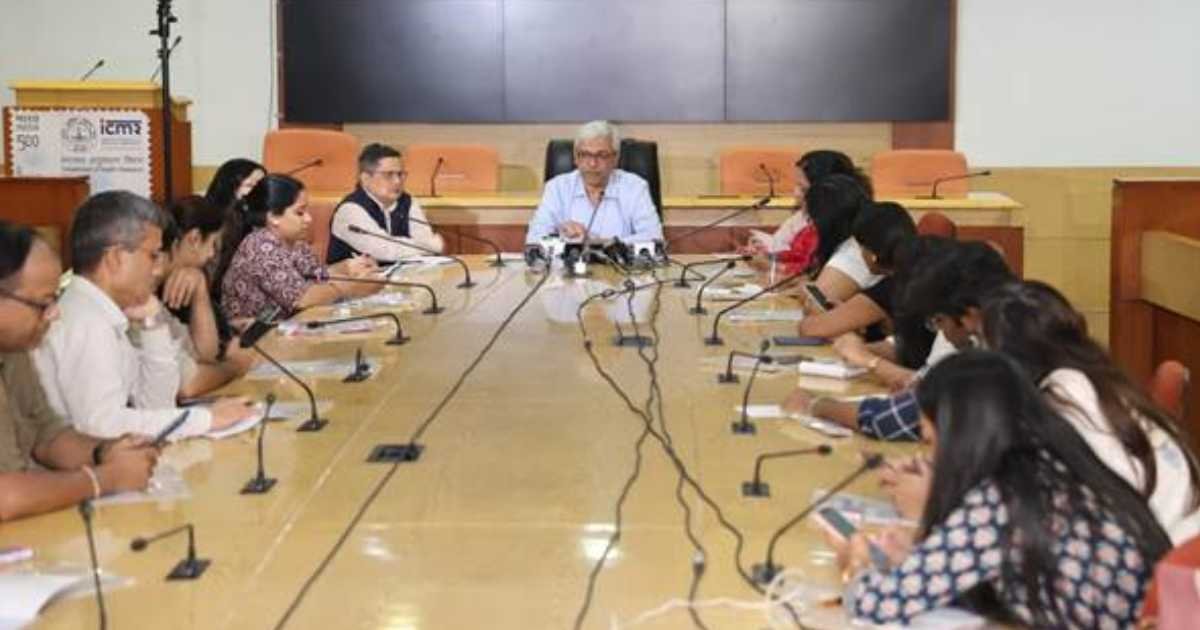
Dr. Rajiv Bahl, Secretary of the Department of Health Research and Director General of ICMR, said there was no cause for panic or alarm. He said the influenza viruses circulating in India matched seasonal patterns seen in recent years.
The Health Ministry, DHR, ICMR and NCDC are tracking influenza through a nationwide surveillance network. The network includes 73 DHR-ICMR Virus Research and Diagnostic Laboratories.
Genomic and epidemiological surveillance found that circulating Influenza A viruses matched A/Missouri/11/2025 (H1N1) pdm09-like viruses. Genetic analysis placed the viruses in clade 6B.1A.5a2a and subclade D.3.1.1.
Dr. Bahl said this lineage has circulated continuously in India since 2025. He added that the observed genetic changes matched normal antigenic drift in seasonal influenza viruses.
H1N1 strain remains consistent with seasonal influenza
According to the government, these minor genetic changes occur routinely as influenza viruses circulate. They do not, by themselves, signal the emergence of a new or dangerous strain.
Seasonal influenza, including H1N1, generally causes mild and self-limiting respiratory illness in otherwise healthy people. Common symptoms include fever, cough, sore throat, headache, body ache, fatigue and weakness.
Most people recover with adequate rest, hydration and supportive care. However, older adults, young children and people with underlying conditions face a higher risk of complications.
People with weakened immunity also need greater caution. Dr. Bahl advised those at higher risk to seek timely medical advice if they develop influenza-like symptoms.
The government also advised people to follow basic respiratory hygiene. People should cover their mouth and nose while coughing or sneezing. They should also wash their hands often and use hand sanitiser when needed.
People who feel unwell should stay home and avoid close contact with others. They should maintain hydration, get enough rest and eat a balanced diet.
People should seek medical advice if symptoms become severe, persist or worsen. They should also follow medical guidance on testing and treatment.
The government advised people not to panic after detecting H1N1. It also cautioned against taking antiviral medicines or antibiotics without medical advice.
People with symptoms should avoid close contact with others. They should also avoid touching their eyes, nose and mouth with unwashed hands.
Meanwhile, health authorities continue epidemiological, virological and genomic surveillance across India. The VRDL network helps detect and characterise circulating respiratory viruses.
The surveillance system will continue tracking influenza activity, circulating strains and disease severity. Current evidence does not show unusual changes in H1N1 behaviour or the emergence of a new strain.
The government advised the public to remain informed and vigilant without becoming alarmed. It said routine preventive measures and timely medical advice can help protect individuals and communities.
