

New Delhi: Centre outlined steps to improve doctor availability in India, highlighting workforce expansion and rural incentives.
Minister of State Prataprao Jadhav shared the details in the Lok Sabha. He said India has 13,88,185 registered allopathic doctors and 7,51,768 AYUSH practitioners.
With 80% availability, the doctor-population ratio stands at 1:811, based on data from National Medical Commission.
Doctor availability in India boosted through NHM incentives
The government uses the National Health Mission to support States in strengthening healthcare systems.
It provides financial and technical support based on State proposals. States remain responsible for healthcare delivery since health is a State subject.
Under NHM, doctors receive incentives to work in rural and remote areas. These include hard area allowances and performance-based incentives.
Specialists such as gynaecologists and paediatricians also receive honorariums. In addition, States can offer flexible salaries to attract talent.
The scheme also offers non-monetary benefits. These include better housing and preference in postgraduate admissions.
Expansion of medical education and training
The government has approved 157 new medical colleges by upgrading district hospitals. It has also expanded MBBS and postgraduate seats in existing institutions.
Authorities now recognise DNB qualifications for faculty roles. They have also increased the retirement age for teaching positions to 70 years.
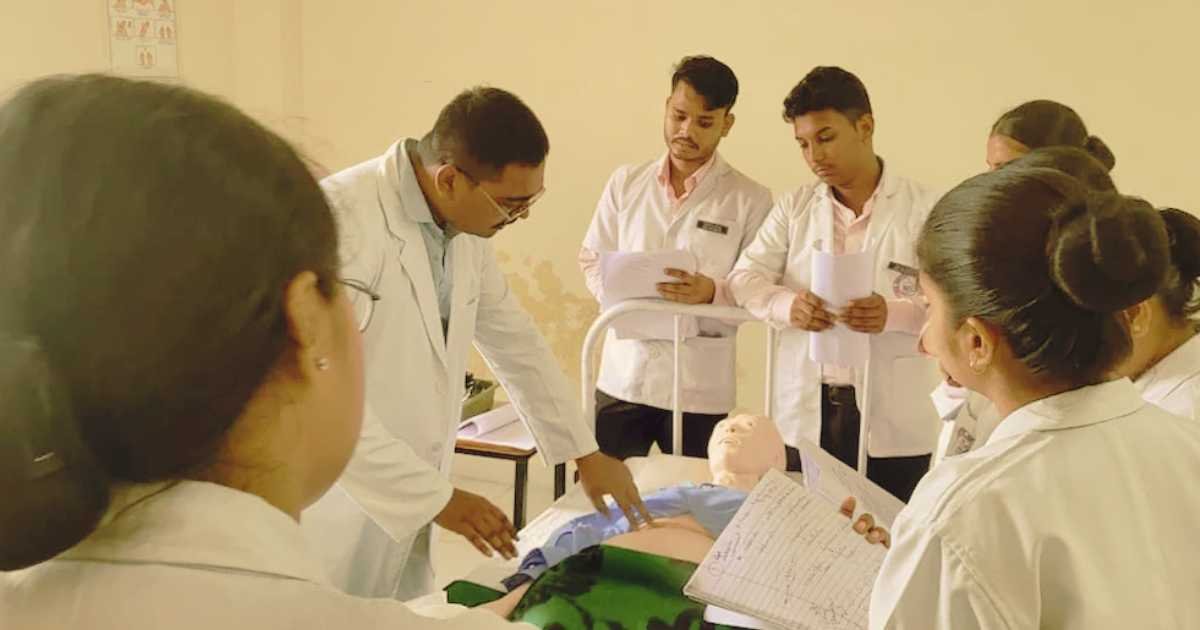
The Family Adoption Programme connects medical students with rural families. This programme improves community healthcare access and awareness.
The District Residency Programme requires postgraduate students to train in district hospitals. This strengthens healthcare delivery in underserved areas.
Overall, these steps aim to improve doctor availability India and ensure better access to healthcare services.
