
Railways records 170% rise in cement movement after cement transportation reforms

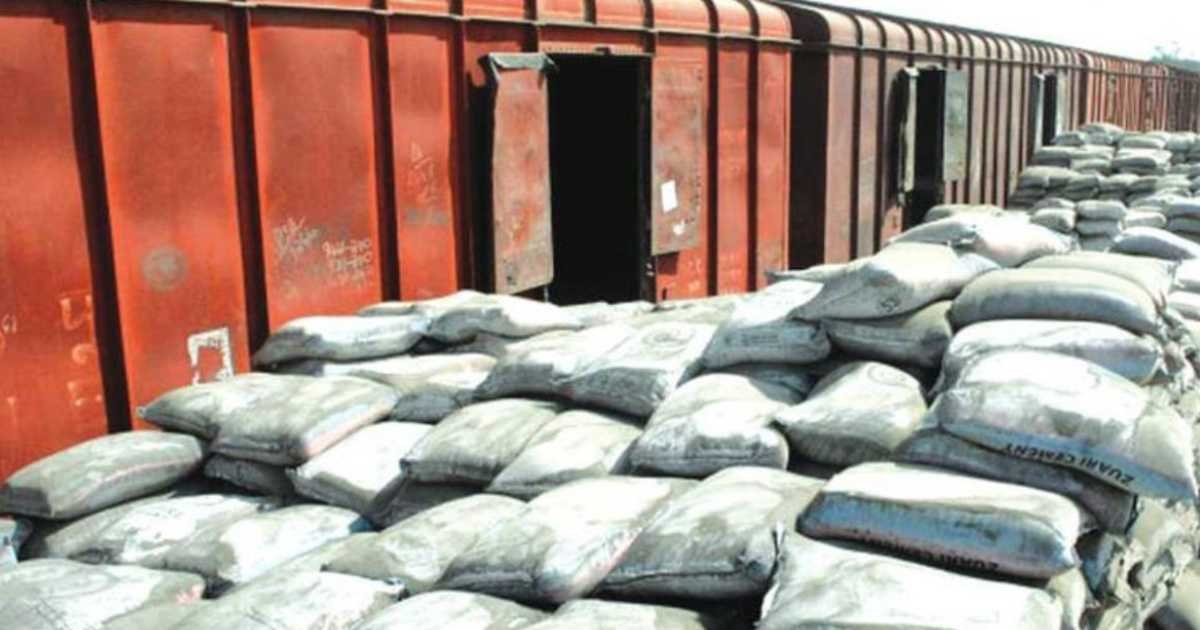
New Delhi: Indian Railways recorded a 170 per cent increase in cement movement over the last four months following the implementation of cement transportation reforms introduced in November last year. The Union Railway Minister reviewed the reforms and their rollout during a sector meeting with senior officials.
The reforms aimed to shift bulk cement movement from road to rail and improve logistics efficiency. Moreover, Railways introduced customised bulk cement tank containers and a dedicated terminal policy to enable seamless multimodal transport. These measures supported end-to-end logistics and reduced dependency on conventional bagged transport.
Officials said the new system simplified loading and unloading operations. In addition, the specialised tank containers reduced material loss and improved turnaround time. Cement produced at manufacturing units can now move directly to consumption centres without multiple handling stages. As a result, plant-to-market efficiency has improved significantly.
The containers are compatible with Ready-Mix Concrete systems. Therefore, cement reaches construction sites in ready-to-use form. This development has reduced two stages of handling and lowered logistics costs across the supply chain.
Cement transportation reforms boost efficiency and sustainability
The cement transportation reforms have also improved environmental outcomes. Dust generation during loading and unloading has declined. Furthermore, the shift toward container-based bulk movement has reduced fuel consumption and emissions. Road congestion has also decreased due to higher rail freight usage.
Railways described the initiative as a major step toward efficient and scalable freight logistics. The innovative container wagons, developed under the “Make in India” framework, enable smooth transfer between train and trailer systems. Consequently, door-to-door logistics solutions have become more streamlined.
Officials noted that improved logistics efficiency could help reduce delivered cement costs. Therefore, the reforms may support affordable housing objectives by easing construction expenses for both poor and middle-income households.
After achieving success in cement freight, Railways is now focusing on expanding fly ash transportation. The Minister reviewed the fly ash sector and urged officials to unlock its full potential. He emphasized converting industrial waste into national wealth through increased rail movement.
Nearly 300 million metric tonnes of fly ash are generated annually in the country. However, Railways currently transports only about 13 million tonnes. Therefore, officials were directed to increase the railway share and facilitate movement to brick kilns, cement plants, and construction sites.
Fly ash can be used in road construction, brick production, and cement manufacturing. Moreover, wider utilisation will support sustainable infrastructure development and reduce environmental impact. The reforms in cement logistics, combined with container innovations, mark a broader transformation in freight operations under the ongoing reform agenda.
