

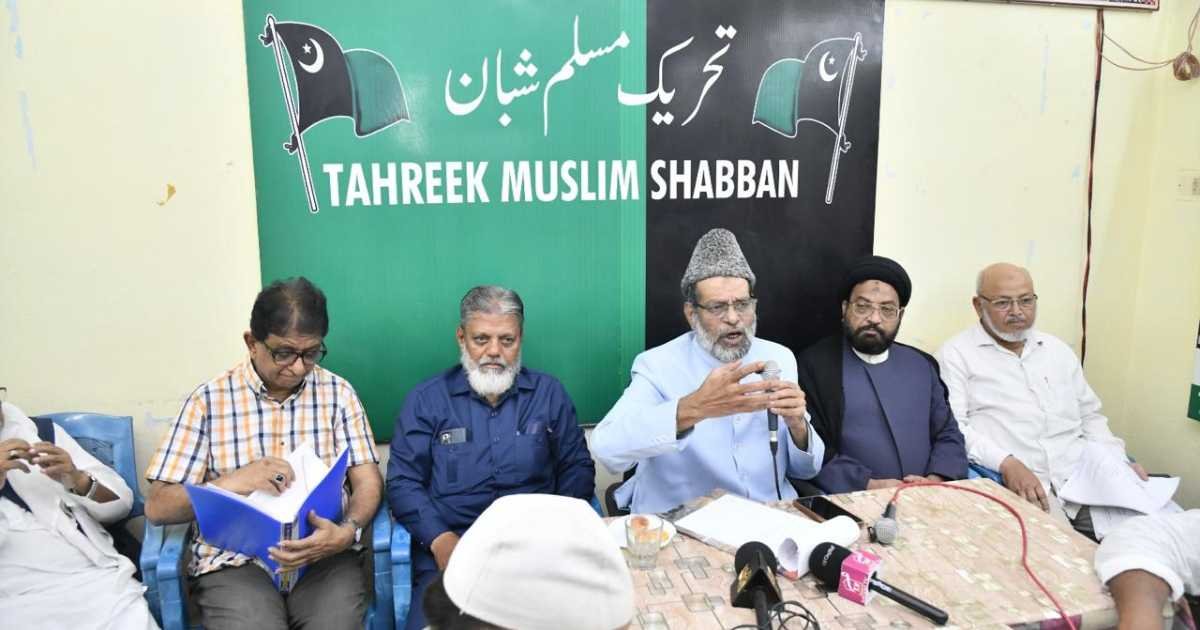
Hyderabad: Several Muslim religious and social organisations demanded the immediate reopening of the Waqf Board record room and questioned the legal basis for keeping it closed for nearly nine years.
The organisations raised the demand during a meeting chaired by Mohammed Mushtaq Malik, president of Tehreek Muslim Shabban and Sharia Faisla Board. Ulema, lawyers, mosque committee members and community representatives attended the gathering.
Participants said the closure of the Waqf Board record room had restricted access to crucial documents. Moreover, they said the lack of records created hurdles in court cases and administrative matters involving Waqf properties.
Waqf Board record room issue raises demands for transparency
The meeting approved five demands, including reopening the record room and publishing complete details of Waqf properties. The participants also sought information on encroachments, pending court cases and the board’s annual income and expenditure.
Furthermore, they demanded a white paper explaining the status of Waqf assets and fixing responsibility on those who failed to protect them. They said the Waqf Board acted only as a custodian of properties dedicated to religious and charitable purposes.
Former MP Syed Aziz Pasha demanded an immediate reopening of the record room and called for a CBI inquiry into alleged irregularities involving Waqf properties. Similarly, advocate Mirza Masood Ali Khan said authorities must fix responsibility for properties lost due to legal failures.
Congress leader and advocate Mujeebullah Shareef criticised the delay in conducting mandatory Waqf Board meetings and sought greater transparency. Meanwhile, Mufti Abdul Fattah Saheli demanded legal action against encroachers and stronger safeguards for Waqf lands.
The speakers also urged authorities to launch awareness campaigns on Waqf issues. Therefore, they proposed issuing a joint public letter to highlight the need for accountability and protection of Waqf properties.
